
Make a Smart Hurricane Protection Investment
Choosing hurricane protection is about more than preparing for the next storm. It’s a long-term investment in your home’s safety, appearance, convenience, insurance profile, and value. This guide compares hurricane shutters, screens, impact windows, and other protection options so you can confidently select the solution that best aligns with your home, budget, and lifestyle.
Request a Call
Six Factors That Should Guide Your Hurricane Protection Decision
The best hurricane protection isn’t simply the strongest or the most expensive—it’s the solution that best fits your home and priorities. Before comparing products, evaluate the six factors below. Together, they provide a practical framework for making a confident, long-term investment in your home’s safety, resilience, and value.

Protection Level
Consider your home’s risks of storm damage, opening sizes, wind risk, flood risk, and desired type of hurricane protection.

Budget & Long-Term Value
Balance upfront investment with durability, initial cost, maintenance costs, ease and speed of deployment, and long-term return on investment.

Appearance & Home Design
Choose protection that complements your home’s architecture without compromising curb appeal or everyday enjoyment.

Lifestyle & Convenience
Consider deployment time, ease of deployment, storage requirements, and whether you live at your home year-round or seasonally.

Insurance & Financial Benefits
Understand potential insurance discounts, increased resale value of your home, and the financial advantages of resilient home improvements. Further, highly effective hurricane protection may help keep you from having to make an insurance claim following a major storm.
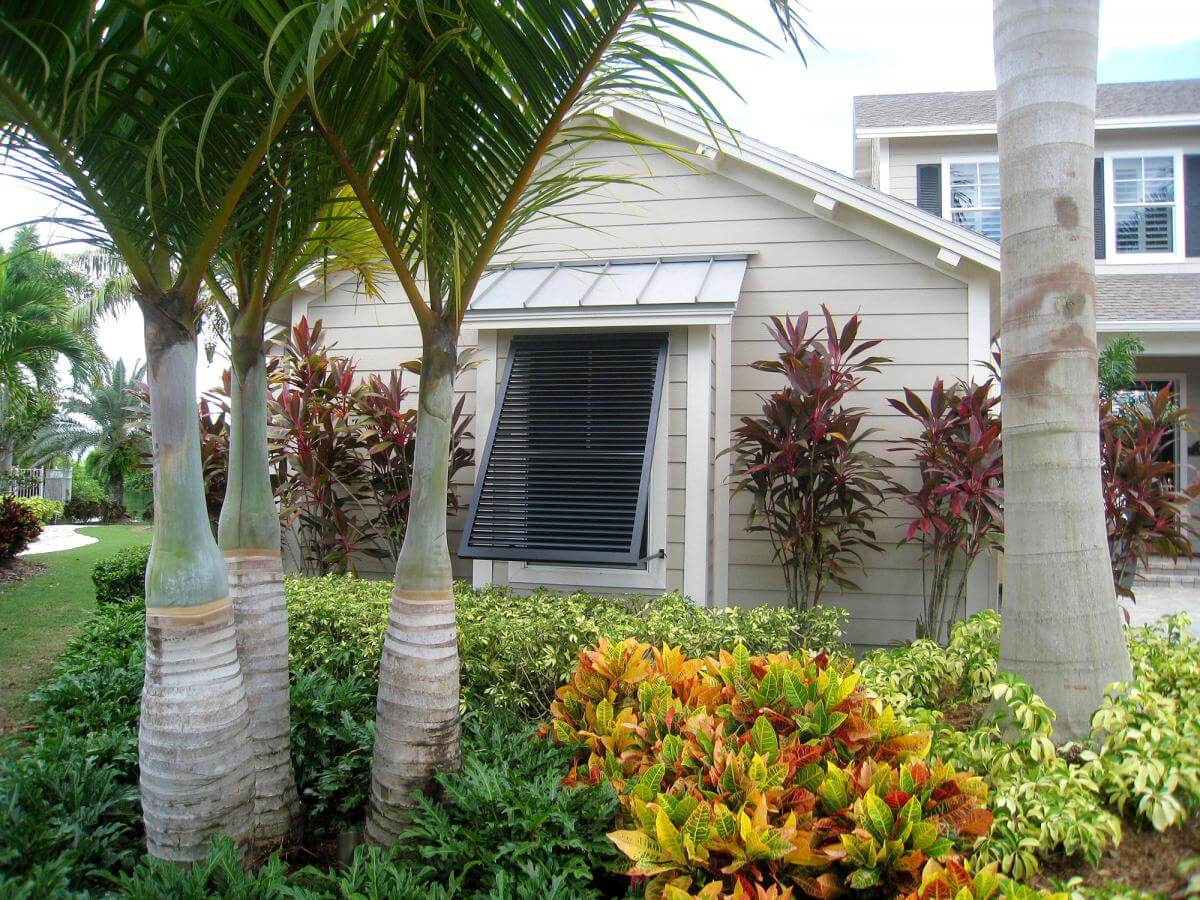
Choosing the right protection for your home.
The best hurricane protection decision starts long before requesting estimates. By understanding your home’s unique needs, establishing your priorities, and asking the right questions, you’ll be better equipped to compare products and evaluate recommendations. Use this checklist as a roadmap before researching solutions or meeting with hurricane protection professionals.
Homeowner Planning Checklist
☐ Evaluate Your Home’s Risk: Consider your location, flood zone, wind exposure, nearby water, mature trees, and large window or door openings. You may want to consider hiring a professional inspector to provide a wind mitigation report for your home. Additionally, as of 2026, the State of Florida can provide free wind mitigation inspections to most homeowners through the My Safe Florida Home program.
☐ Identify Your Highest Priorities: Rank what’s most important— Convenience, aesthetics, budget, insurance savings, potential time and money saved after a storm, or long-term value.
☐ Understand Your Protection Options: Research hurricane shutters, screens, panels, and impact windows. Recognize that a combination of protection is often more cost effective than utilizing a uniform type of protection.
☐ Establish an Investment Budget: Determine a comfortable budget while considering maintenance costs, longevity, financing, number of openings requiring protection, and future insurance savings.
☐ Evaluate How You Live: Think about how often you’re away, your ability to deploy protection, and the convenience and ease of deploying your home’s protection.
☐ Consider Your Home’s Architecture: Choose solutions that complement your home’s design, preserve its curb appeal throughout the year, and satisfy your HOA’s design standards or historic district restrictions (if applicable).
☐ Research Reputable Contractors: Look for licensed, insured companies with strong local experience, manufacturer certifications, a high number of verified reviews, and completed projects. Contractors who utilize their own trained employees for installations are preferable to those who use sub-contractors.
☐ Ask Detailed Questions: Discuss product performance, installation experience, lead times, maintenance, warranty coverage, financing, and expected lifespan before deciding.
☐ Compare Total Value—Not Just Price: Evaluate contractor experience and expertise, product quality, aesthetics, convenience, insurance benefits, warranty protection, and long-term ownership costs alongside the initial investment.
☐ Create a Long-Term Protection Plan: Determine whether a single installation project or a phased approach best aligns with your budget, priorities, and future home improvement goals.
Explore the Most Popular Hurricane Protection Solutions
Florida homeowners have more hurricane protection options than ever before. Each solution offers a unique combination of strength, convenience, aesthetics, and long-term value. Explore the four most common protection systems below to understand how they work, where they perform best, and which may be the right fit for your home and lifestyle.
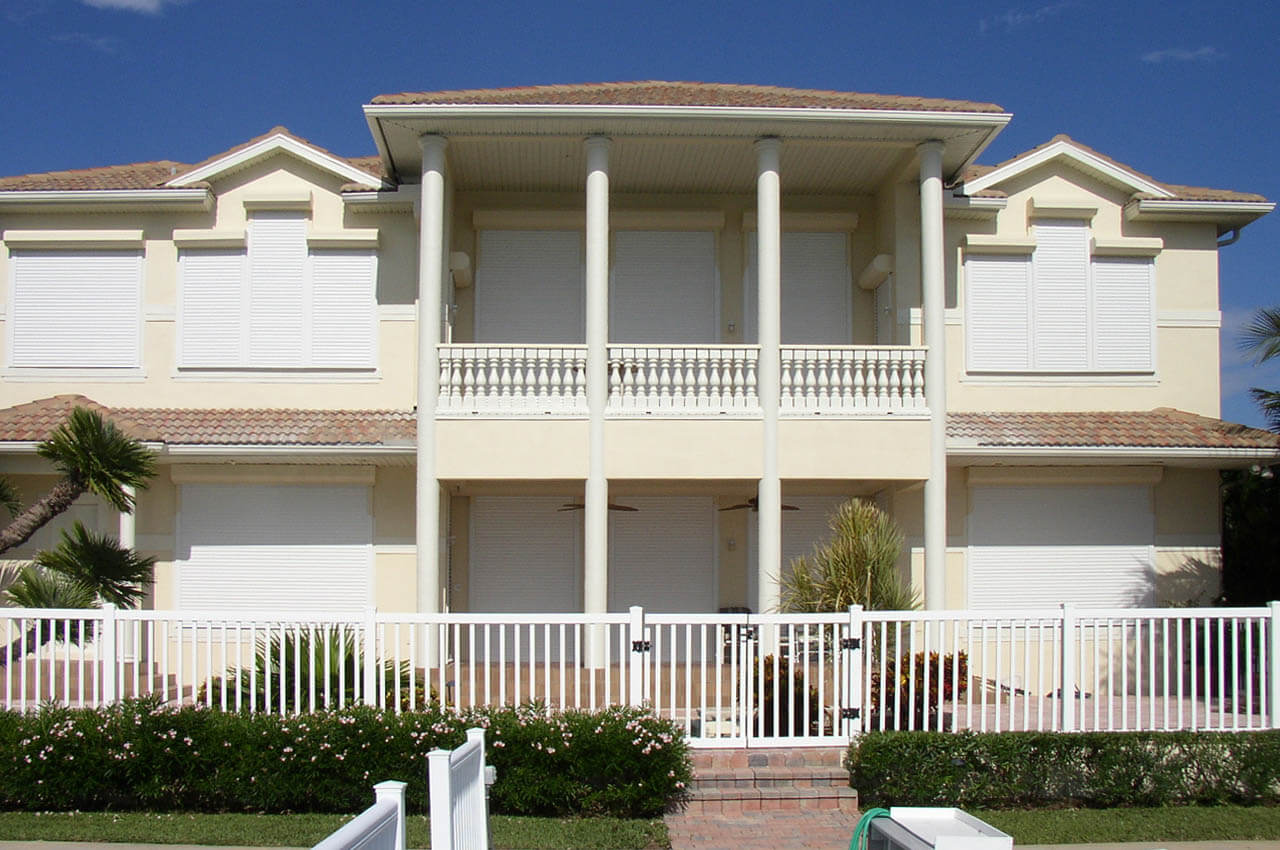

DEPLOYABLE
Deployable protection requires having anchors permanently installed on your home. Professional contractors install the anchors and test fit the protection to the anchors before helping store it away (e.g in your garage or shed) for future use ahead of a storm. They are generally offered as metal panels, clear polycarbonate panels, or foldable screens or fabric.

PERMANENT
Permanent hurricane protection is installed and anchored to your home year round. They can be architecturally pleasing like colonial shutters or bahama shutters, can be more traditional aluminum shutters like roll-downs and accordions, or can envelop patios or lanais with roll-down hurricane rated screens. Engineered screen systems protect large openings while preserving views and outdoor living spaces – they are an increasingly popular choice for homeowners seeking protection with minimal visual impact.

IMPACT WINDOWS
Impact windows provide continuous, always-ready protection without deployment before storms. Manufactured with a layer of clear impact-resistant laminate, they can improve energy efficiency, reduce outside noise, and offer one of the most convenient hurricane protection solutions.

LAYERED/COMBINATION HURRICANE PROTECTION
Many homeowners achieve the best results by combining multiple protection systems. Combination strategies balance aesthetics, convenience, cost, and protection by using different solutions for different parts of the home. Some homeowners even choose to layer their home hardening by installing shutters or screens in front of windows with impact glass to maximize their protection and reduce the likelihood of needing repairs on the back side of a storm.
Compare Hurricane Protection Solutions at a Glance
No hurricane protection product is universally “best.” Each solution offers a different balance of protection, appearance, convenience, investment, and long-term value. Use the comparison below to evaluate the strengths and tradeoffs of hurricane screens, shutters, and impact windows before exploring each option in greater detail.
| Decision Factor | Deployable | Permanent | Impact Windows |
| Upfront Investment | $-$$ | $$-$$$$ | $$$–$$$$ |
| Appearance | Low visual impact; Only anchors are visible, and can be painted or camouflaged | Attached year-round, though some can be hidden or look decorative like bahamas or colonials | Most look like regular non-impact windows |
| Everyday Convenience | Must deploy/attach before storms; stored out of sight the rest of the year | Must deploy/close before storms (Manual or motorized deployment) | Always in place – no pre-storm preparation required |
| Maintenance | Very low | Low to Moderate | Low |
| Ideal Homeowner | Wants least expensive protection while preserving outdoor spaces and curb appeal | Wants convenient deployment options with maximum protection | Wants premium convenience, aesthetics, and long-term investment |
| Storm Shielder Perspective | Outstanding balance of protection, aesthetics, and cost effectiveness | Time tested solution with an array of protection choices | Premium solution for homeowners seeking 24/7 protection |
Comparing the main permanent solutions:

Accordian
The least expensive of permanent options. Hinged panels fold like a bellows and glide along a top-and-bottom track, stacking to the sides of the opening when not in use. Built for wide spans, they’re a popular choice for sliding glass doors, lanais, and large windows.

Roll-Down Shutters
Slats roll up and nest inside a housing above the opening and lowers on tracks by hand crank, pull-down, or electric motor. Terrific protection from high winds, debris, and sideways driven rain, fit to most any size opening.

Roll-Down Screens
Storm rated yet see-through screen rolls up inside a housing above the opening and lowers on tracks by hand crank or electric (or solar) motor. Terrific for lanais, balconies, or large outdoor spaces.

Bahama
A single panel hinged at the top, propped outward shading the window year-round. For protection, it swings down flush and locks against the wall. Popular on tropical and coastal-style homes for the shade and curb appeal it adds.

Colonial
Panels flank each window and hinge at the sides, closing to the center like traditional storm shutters and locked in place. Widely regarded as the most decorative option, they read as a permanent architectural feature whether open or closed.
Executive Takeaway
Every protection system has advantages and challenges. Deployable Hurricane Protection tends to be the most cost-effective and aesthetically pleasing, but requires the most time and effort to deploy. Permanent Hurricane protection offers low maintenance maximum protection options for your home, but requires pre-storm deployment and may be visually unappealing. Impact windows offer unmatched everyday convenience and premium curb appeal, but will often be the most expensive option. For many Florida homeowners, the optimal strategy may combine multiple protection systems to balance safety, lifestyle, and investment.
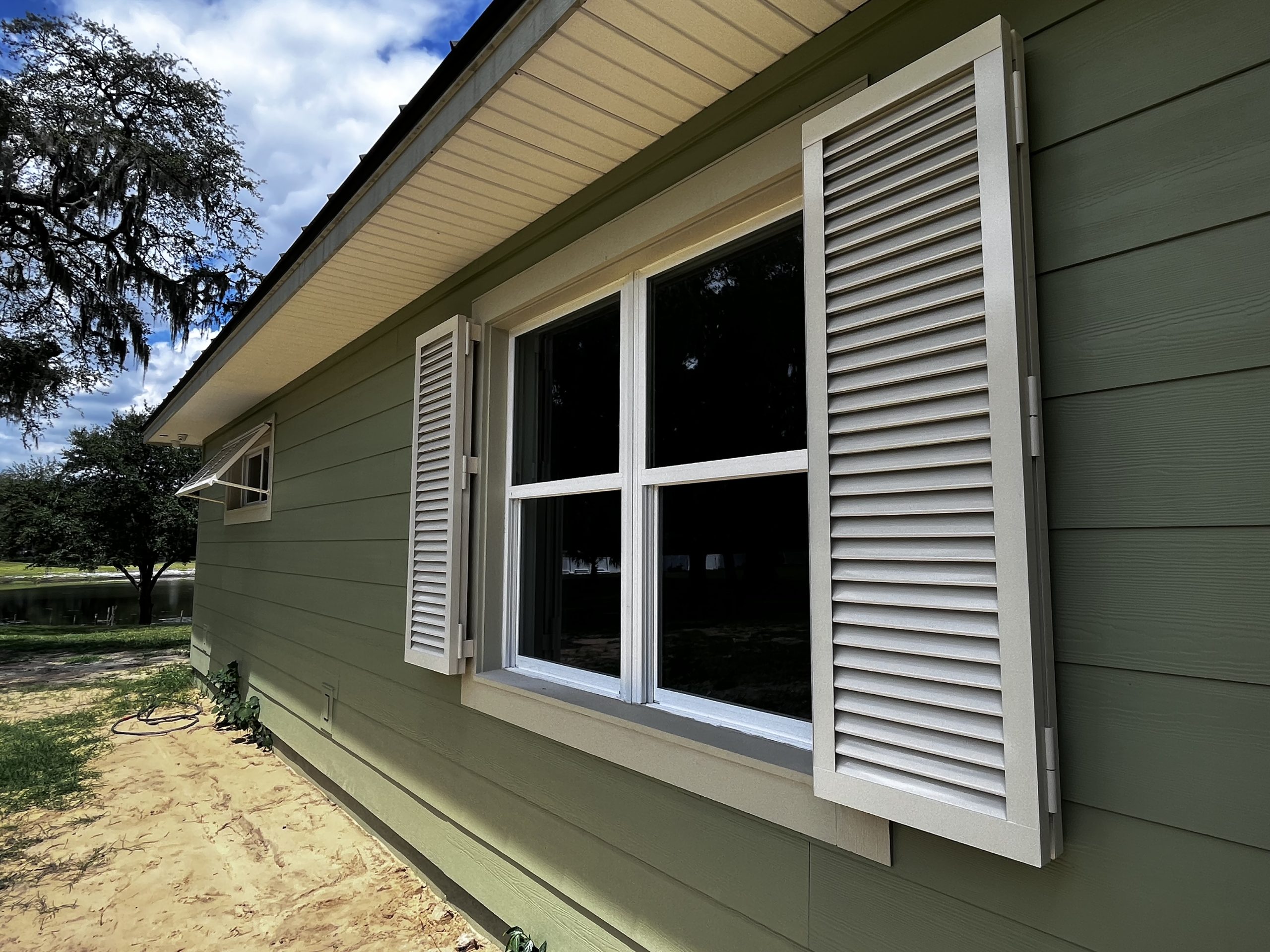
When to Use Layered Hurricane Protection
For many Florida homes, the best hurricane protection isn’t a single product—it’s a thoughtfully designed combination of solutions. Different areas of your home often have different needs, making a layered approach the most effective way to balance protection, convenience, aesthetics, and budget. Use the checklist below to determine whether combining impact windows, hurricane screens, shutters, and other protection systems may provide the smartest long-term strategy for your home.
Is a Layered Hurricane Protection Strategy Right for You?
☐ Your home has different types of openings. Large lanais, sliding glass doors, and standard windows may benefit from different protection solutions.
☐ You want to balance investment and value. A combination of products can help prioritize spending where it delivers the greatest benefit.
☐ You value both protection and curb appeal. Different products can preserve your home’s architectural character while maximizing storm resilience.
☐ You want greater everyday convenience. Permanent protection in frequently used areas can reduce storm preparation time and effort.
☐ You have expansive outdoor living spaces. Covered patios, lanais, and pool enclosures often benefit from specialized protection systems.
☐ You plan to upgrade your home over time. A phased approach allows you to improve protection as your budget and priorities evolve.
☐ You want to maximize insurance and financial value. Combining products may enhance resilience while supporting insurance and long-term property value objectives.
☐ Your home has unique architectural features. Custom homes often require different protection strategies for oversized windows, specialty openings, or distinctive elevations.
☐ You want a customized solution—not a standard package. The best protection strategy is designed around your home’s layout, lifestyle, and long-term goals—not just a single product.
Executive Takeaway
The best hurricane protection strategy is rarely about choosing one product over another. It’s about selecting the right combination of solutions to protect the right areas of your home. A personalized, layered approach often delivers the best balance of resilience, convenience, aesthetics, and long-term value.
Additional Planning Considerations
1. Think Beyond the Product: Whole-Home Wind Mitigation
Why It Matters
All openings need to be protected because a storm’s winds can come from any direction. The strongest window or shutter cannot compensate for weaknesses elsewhere in your home’s envelope. Hurricane resilience is most effective when multiple systems work together to resist wind pressure and mitigate water intrusion.
Wind Mitigation Checklist
Have a professional inspector evaluate the following:
☐ Your roof’s age, condition, and attachment.
☐ Verify your roof-to-wall connections, such as hurricane clips or straps.
☐ Protect all openings—not just the largest windows.
☐ Consider garage doors, entry doors, and lanai openings.
☐ Discuss how your protection strategy fits into your home’s overall resilience.
☐ Share wind mitigation report with your insurance company to address needs and discuss next steps needed for a possible discount.
2. What Florida Homeowners Should Know About Hurricane Protection Permits
Permitting requirements for hurricane protection can vary based on the size and cost of the project, the type of work being completed, and the property’s location. Before replacing windows, adding hurricane shutters, or making structural improvements, homeowners should understand several important rules and classifications that may affect the project.
Understanding Florida’s 25% Rule
Florida’s 25% Rule may apply when a homeowner replaces more than 25% of the windows or exterior openings in a home within a rolling 12-month period.
When the project exceeds this threshold, the new windows or openings may be required to include one of the following:
- Impact-resistant glass
- Storm Rated Doors
- Florida Building Code-approved hurricane protection for the openings
The rule may also apply when additions or improvements made to a home exceed 25% of the property’s value within a rolling 12-month period.
The $7,500 Permit Exemption
Some projects valued at less than $7,500 may qualify for an exemption from certain permitting requirements. However, the cost of a project is not always the only factor that determines whether a permit is required. The type of work, the product being installed, local building regulations, and the property’s location may all affect permitting requirements.
Homeowners should check with their local building department before assuming that a project qualifies for an exemption.
Miami-Dade Approval and HVHZ Certification
Florida separates hurricane-prone areas into different wind-risk classifications.
Miami-Dade Metro and Broward counties are located within the state’s High-Velocity Hurricane Zone, commonly referred to as the HVHZ. Products installed in these areas must meet some of Florida’s most demanding hurricane-resistance requirements.
A Miami-Dade Notice of Acceptance, or NOA, indicates that a product has been tested and approved under Miami-Dade County’s product-control process. Manufacturers must complete the required testing and pay the applicable review and certification fees to obtain an NOA.
Other coastal areas of Florida may be classified as Wind-Borne Debris Regions rather than HVHZ areas. Products used in these locations must still meet applicable Florida Building Code testing and approval requirements, but they may not require a Miami-Dade NOA.
Miami-Dade NOA vs. Florida Product Approval
Miami-Dade NOA and State Approval for use in HVHZ have virtually the same requirements, with the primary difference being the regulatory body that provides the approval. The state designates the Miami-Dade area as being a High Velocity Hurricane Zone. Manufacturers of hurricane protection who desire to have their protection offered in South Florida can seek to obtain Miami-Dade NOA Approval, Florida code HVHZ Approval, or both.
3. Maximize Insurance Savings & Financial Incentives
Why It Matters
Hurricane protection can provide value beyond storm preparedness. Depending on your home and the products installed, improvements may reduce insurance premiums, improve insurability, and help offset project costs through available incentive programs.
Financial Planning Checklist
☐ Ask your insurance carrier about potential premium discounts.
☐ A wind mitigation inspection is recommended before an installation to determine what needs to be addressed.
☐ Explore eligibility for the My Safe Florida Home Program or other available state and local incentives.
☐ Compare long-term ownership costs—not just installation price.
☐ Consider financing options for larger protection projects.
☐ Keep product approvals, permits, warranties, and inspection documentation for future insurance and resale purposes.
4. Work with a Licensed Hurricane Protection Professional
Why It Matters
Even the highest-performing products depend on proper design, product selection, and installation. A knowledgeable contractor can help you evaluate tradeoffs, explain code requirements, and recommend a solution tailored to your home.
Questions to Ask Before Hiring
✔ How do you evaluate which protection system is right for a home?
✔ Are your recommended products Florida-approved and code compliant?
✔ What warranties are available for both products and installation?
✔ Can you explain the long-term maintenance requirements?
✔ Will you manage permitting, inspections, and final documentation?
✔ Can you help identify insurance or grant opportunities?
5. Hurricane protection’s impact on your time.
If you self insure or seek insurance reimbursement, recognize that homeowner policies in Florida have a 2% out of pocket deductible if damage to your home is caused by a named storm. Further, federal aid programs have relatively low limits. Therefore, consider what your time is worth. Not having hurricane protection can lead to attempting to find and hire contractors to repair your home while the rest of your storm-affected community is attempting to do the same. Additionally, filing insurance or damage claims with insurance companies and/or State and Federal agencies can require a significant amount of documentation and evidence of damage. The right hurricane protection may help to avoid significant damage to your home and allow you to return to your normal routine more quickly than those without.
Let's Find the Right Hurricane Protection for Your Home
Every home is different. Our team will help you evaluate your options, answer your questions, and recommend a hurricane protection strategy tailored to your home, priorities, budget, and lifestyle.
Frequently Asked Questions About Hurricane Protection Products
What type of hurricane protection is best for my home?
There is no universal "best" hurricane protection product. The right solution depends on your home's design, budget, lifestyle, storm exposure, and long-term priorities. Many Florida homeowners ultimately choose a layered strategy that combines multiple protection systems.
When evaluating your options, consider:
✔ Your home's location and wind exposure
✔ The size and number of windows and doors
✔ Your available budget
✔ Desired appearance and curb appeal
✔ Convenience when a storm is approaching
✔ Maintenance requirements
✔ Insurance savings opportunities
✔ Long-term property value
The most effective solution is the one that aligns with both your home's characteristics and your family's priorities.
How do hurricane screens, shutters, and impact windows compare?
Each product serves a different purpose and offers unique advantages.
Hurricane Screens
- Excellent for lanais and large openings
- Can be seen through
- Flexible and versatile
- Low maintenance
Hurricane Shutters
- Proven storm protection
- Available in many styles and price points
- Manual or motorized operation
- Strong value for many homeowners
Impact Windows
- No storm preparation required
- Improved energy efficiency and noise reduction
- Premium appearance and long-term value
Rather than focusing on which product is "best," homeowners should evaluate which solution best balances protection, aesthetics, convenience, investment, and long-term ownership.
What hurricane protection is easiest to install and maintain?
Installation complexity varies depending on the product, existing construction, and the scope of the project.
Generally speaking deployable and permanent protection options consist of a simpler installation process, typically taking a single day to install, whereas window replacements are typically multi-day projects.
From a maintenance perspective:
✔ Impact windows generally require the least ongoing maintenance.
✔ Deployable protection typically requires only periodic inspections and cleaning.
✔ Permanent protection should be inspected periodically to ensure moving components operate properly before hurricane season.
When evaluating products, homeowners should consider not only installation costs but also maintenance, lifespan, warranty coverage, and ease of ownership over the next 20–30 years.
Are impact windows permanent, or will they eventually need to be replaced?
Impact windows are designed as a permanent home improvement rather than a seasonal hurricane protection product. Unlike deployable and permanent options, they remain in place year-round and provide continuous protection without deployment before a storm.
However, they are still building components with an expected service life.
Factors influencing longevity include:
- Product quality
- Professional installation
- Coastal exposure
- Salt air and environmental conditions
- Routine maintenance
- Manufacturer warranty
Many quality impact window systems provide decades of reliable performance when properly installed and maintained.
Is a layered hurricane protection strategy worth considering?
For many Florida homes, yes.
Different areas of a home often benefit from different protection solutions.
A layered approach may include:
✔ Impact windows throughout the home
✔ Hurricane screens protecting lanais or oversized openings
✔ Decorative or roll-down shutters for selected windows
✔ Additional protection for garage doors or specialty openings
This strategy allows homeowners to balance protection, convenience, aesthetics, and budget while customizing solutions for each area of the property instead of relying on a single product.
Is hurricane protection worth the investment?
For many homeowners, hurricane protection provides value well beyond storm preparation.
Potential financial benefits include:
Immediate Benefits
- Reduced storm damage risk
- Potential reduced need for post-storm repairs
- Greater peace of mind
- Improved home security
- Enhanced curb appeal
Long-Term Benefits
- Potential insurance premium reductions
- Increased property desirability
- Lower long-term maintenance costs
- Greater resilience during severe weather
- Improved resale appeal in hurricane-prone markets
When evaluating products, focus on total lifetime value rather than the lowest initial price. A higher upfront investment may deliver meaningful savings, convenience, and property value over many years.
Can hurricane protection reduce my homeowners insurance premiums?
It may.
Many insurance companies recognize qualifying wind mitigation improvements that reduce hurricane-related risk. Depending on your home, insurer, and installed products, eligible improvements may result in premium discounts. However, insurers tend to require 100% of a home’s openings be protected prior to offering discounts.
Before making an investment:
✔ Ask your insurance carrier which products qualify.
✔ Confirm products meet Florida approval requirements.
✔ Keep permits, product approvals, and installation documentation.
✔ Schedule a Wind Mitigation Inspection through your insurance company or a licensed inspector.
✔ Ask your contractor about available incentive programs such as the My Safe Florida Home Program, when applicable.
Insurance savings vary by home and carrier, but they should be considered as part of the overall value of your investment.