
How to Prepare Your Home Before Hurricane Season
Preparing your home before hurricane season is one of the most effective ways to reduce potential damage, protect your family, and avoid last-minute decisions. This hurricane preparation checklist helps Florida homeowners understand what to inspect, repair, organize, and upgrade before storms threaten—so you can enter hurricane season with greater confidence and peace of mind.
Request a Call
The Six Steps to Preparing Your Home for Hurricane Season
Hurricane preparedness begins long before a storm appears in the forecast. By taking a proactive approach each year, homeowners can identify vulnerabilities, complete important maintenance, and ensure their home is ready when severe weather arrives. Use these six preparation steps as your annual hurricane season checklist.

Review Your Existing Hurricane Protection
Inspect your current shutters, hurricane screens, impact windows, doors, and other protection systems to ensure they’re in good working order and ready before hurricane season begins.

Evaluate Your Home’s Vulnerabilities
Identify the areas of your home most susceptible to hurricane damage, including windows, doors, garage doors, roofs, large glass openings, outdoor living spaces, and surrounding trees. Understanding your home’s risk profile helps prioritize improvements before storm season arrives.

Research Your Hurricane Protection Options
Every home is different, and so are the available protection systems. Compare hurricane screens, shutters, impact windows, and other solutions to understand how each performs, the benefits they provide, and which options best fit your home and lifestyle.

Plan Your Hurricane Protection Investment
If upgrades are needed, begin planning well before hurricane season. Compare products, request professional consultations, understand permitting requirements, review financing options, and schedule installation early to avoid seasonal demand and longer lead times.

Prepare Your Home & Family
Develop a complete hurricane preparedness plan by reviewing insurance coverage, organizing important documents, assembling emergency supplies, securing outdoor furniture, and confirming evacuation and communication plans before storms threaten.

Schedule Annual Inspections & Maintenance
Routine maintenance helps ensure your hurricane protection performs when it’s needed most. Inspect moving components, replace worn hardware, service motorized systems, and address repairs before the start of hurricane season.
Storm Shielder’s Additional Perspective
The best time to upgrade your hurricane protection is before you need it. Planning several months ahead gives you time to evaluate your options, choose the right products for your home, and complete installation before hurricane season begins. Rather than making decisions under the pressure of an approaching storm, you’ll have confidence that your home is prepared when severe weather arrives.
Hurricane Protection Upgrade Checklist
Preparing for hurricane season is the ideal time to evaluate whether your home’s protection still meets your needs. Use this checklist to identify opportunities to strengthen your home’s resilience before severe weather arrives.
☐ Evaluate your home’s current level of protection and identify windows, doors, lanais, or other openings that remain vulnerable.
☐ Inspect existing hurricane shutters, screens, or impact windows for signs of wear, corrosion, damaged hardware, or operational issues.
☐ Upgrade aging or outdated protection systems that no longer provide the level of convenience or performance you expect.
☐ Protect large glass openings and outdoor living spaces such as lanais, patios, balconies, and sliding glass doors that may still be exposed.
☐ Consider impact-rated windows for year-round protection, energy efficiency, noise reduction, UV protection, and improved security. The benefit of impact windows is that they are deployed all the time. One downside is that windows are not water-proof.
☐ Evaluate whether motorized hurricane screens or shutters could make storm preparation faster, easier, and more convenient.
☐ Review your roof, garage door, and exterior doors to determine whether additional reinforcement or upgrades are recommended.
☐ Schedule a professional hurricane protection assessment to identify vulnerabilities that may not be obvious during a visual inspection.
☐ Understand permitting, product approvals, warranties, and financing options before selecting a protection system.
☐ Plan upgrades before hurricane season begins to avoid peak demand, longer lead times, and rushed installation decisions.
Smart Hurricane Protection Upgrades for Florida Homes
Not every home requires the same hurricane protection strategy. Depending on your home’s design, age, and lifestyle, certain upgrades can provide greater resilience, convenience, and long-term value. Here are four of the most impactful improvements Florida homeowners should consider before hurricane season.

HURRICANE SCREENS
HURRICANE SCREENS
Ideal for protecting lanais, patios, outdoor kitchens, and large openings while preserving outdoor living spaces and providing convenient protection before severe weather.
HURRICANE SHUTTERS
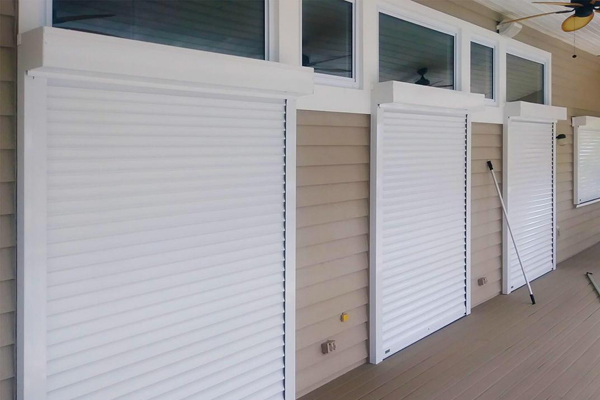
HURRICANE SHUTTERS
A proven solution for protecting windows and doors with multiple styles available to complement your home’s architecture and budget.
IMPACT-RATED HURRICANE WINDOWS
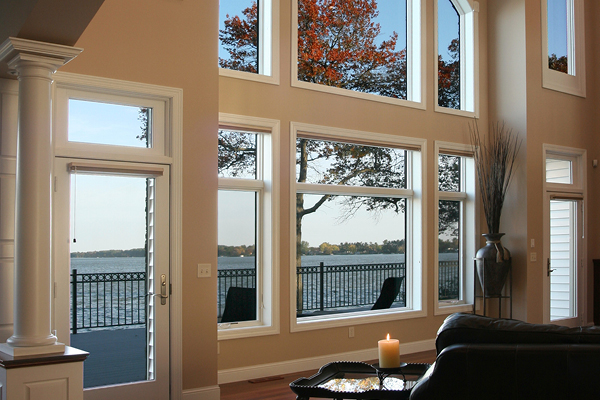
IMPACT-RATED HURRICANE WINDOWS
Provide continuous protection every day while also improving energy efficiency, reducing outside noise, blocking UV rays, and enhancing home security.

ANNUAL PROTECTION ASSESSMENT
ANNUAL PROTECTION ASSESSMENT
A professional inspection helps identify vulnerabilities, evaluate existing systems, and prioritize upgrades before hurricane season arrives.
Why Preparing Early Makes All the Difference
The weeks before hurricane season offer homeowners the best opportunity to strengthen their homes, evaluate protection options, and avoid rushed decisions. Waiting until a storm is approaching often limits choices and increases stress. Comparing proactive preparation with last-minute preparation illustrates why planning ahead is one of the smartest investments you can make.
| Preparing Before Hurricane Season | Waiting Until a Storm Is Forecast |
| Time to research products | Limited time to compare options |
| Greater contractor availability | Contractors often fully booked |
| Better product selection | Limited inventory may be available |
| More flexible installation scheduling | Longer lead times are common |
| Ability to budget and finance | Decisions often made under pressure |
| Time for permits and inspections | May not complete before landfall |
| Reduced stress | Higher anxiety and uncertainty |
| Home is ready before storms develop | Protection may not be installed in time |
Evaluate Your Hurricane Readiness: Is Your Home Prepared?
Preparing for hurricane season isn’t about checking a single box—it’s about evaluating your home’s overall level of readiness. The strongest protection plans combine physical improvements, annual maintenance, emergency planning, and informed decision-making. Use the checklist below to assess how prepared your home is before hurricane season begins and identify opportunities for improvement.
Hurricane Readiness Checklist
Hurricane Protection
☐ Windows and exterior doors are protected with an approved hurricane protection system.
☐ Large glass openings, lanais, patios, and outdoor living areas have appropriate protection.
☐ Hurricane shutters, screens, or impact products have been inspected and are ready for use.
Home Condition
☐ Roof, garage door, gutters, and exterior doors have been inspected for potential vulnerabilities.
☐ Trees have been trimmed and potential wind hazards have been addressed.
☐ Outdoor furniture and decorative items have a plan for storage before storms.
Planning & Preparation
☐ Homeowners insurance coverage has been reviewed within the past year.
☐ Important documents have been backed up digitally and stored safely.
☐ Emergency supplies and backup power are readily available.
☐ Family members understand the emergency communication and evacuation plan.
Maintenance
☐ Hurricane protection systems have received annual maintenance or professional inspection.
☐ Any recommended repairs or upgrades have been completed before hurricane season.
How Ready Is Your Home?
| Checklist Score | Readiness Level |
| 10–12 items completed | Excellent – Your home is well prepared for hurricane season. |
| 7–9 items completed | Good – Continue improving areas that remain vulnerable. |
| 4–6 items completed | Moderate – Consider making additional improvements before hurricane season. |
| 0–3 items completed | High Priority – Your home may benefit from a comprehensive hurricane readiness assessment. |
Common Hurricane Preparedness Myths (and Mistakes to Avoid)
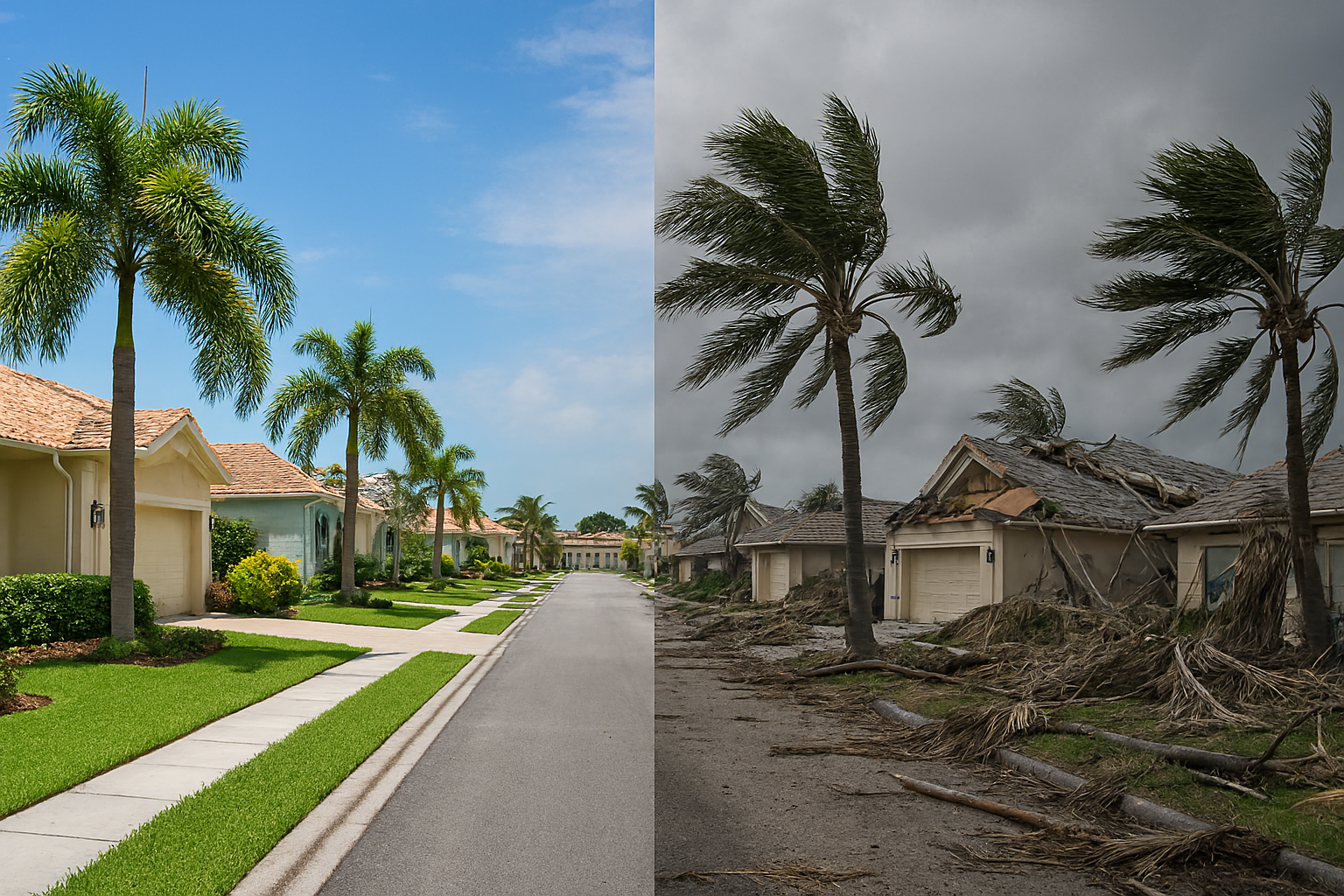
Many homeowners underestimate hurricane risks or wait until a storm is approaching before taking action. Understanding the most common misconceptions can help you avoid costly mistakes, improve your home’s resilience, and make better decisions long before hurricane season reaches its peak.
❌ Myth #1: “I don’t live on the coast, so I’m safe.”
Reality: Hurricane-force winds, tornadoes, falling trees, and flying debris can cause significant damage many miles inland.
❌ Myth #2: “My newer home doesn’t need additional hurricane protection.”
Reality: Modern building codes improve resilience, but many newer homes are built to minimum code requirements and may not include premium impact-rated protection or the best solutions for large openings.
❌ Myth #3: “I’ll wait until a storm is coming.”
Reality: Once a hurricane enters the forecast, contractors become busier, product availability decreases, and installation opportunities become limited.
❌ Myth #4: “My insurance will cover everything.”
Reality: Coverage, deductibles, exclusions, and reimbursement vary by policy. Understanding your coverage before hurricane season helps avoid unexpected financial surprises.
❌ Myth #5: “If my windows are protected, my home is fully prepared.”
Reality: Hurricane readiness includes much more than windows. Roof condition, garage doors, landscaping, emergency planning, maintenance, and annual inspections all contribute to your home’s overall resilience.
❌ Myth #6: “Once hurricane protection is installed, I never need to think about it again.”
Reality: Like any important home system, hurricane protection should be inspected, maintained, and tested regularly to ensure it performs properly when severe weather arrives.
Storm Shielder’s Perspective
The most prepared homeowners don’t simply react to hurricanes—they prepare for them throughout the year. Annual inspections, thoughtful upgrades, routine maintenance, and early planning help reduce stress, improve safety, and give homeowners greater confidence when hurricane season begins. These proactive steps are often the difference between feeling rushed when a storm is forecast and feeling ready.
Ready to Prepare Your Home for Hurricane Season?
Every home has different strengths and vulnerabilities. Schedule a complimentary hurricane protection consultation to evaluate your home’s readiness and receive personalized recommendations for protecting your family, property, and investment.
Frequently Asked Questions About How to Prepare Your Home Before Hurricane Season
When should I start preparing my home for hurricane season?
The best time to begin preparing is several months before hurricane season starts on June 1. Early planning gives homeowners time to inspect their property, research hurricane protection options, schedule contractors, complete upgrades, and avoid the rush that often occurs once storms begin developing.
Recommended timeline:
✔ January–March: Evaluate your home's vulnerabilities.
✔ March–May: Complete inspections and installations.
✔ June–November: Maintain protection systems and monitor forecasts.
What should every Florida homeowner do before hurricane season?
Every homeowner's situation is different, but most preparation plans should include:
✔ Inspect windows, doors, roof, and garage door.
✔ Review hurricane protection systems.
✔ Trim trees and secure landscaping.
✔ Review insurance coverage.
✔ Assemble emergency supplies.
✔ Create a family emergency plan.
✔ Complete repairs before severe weather arrives.
Preparing early allows you to address issues before they become emergencies.
How do I know if my home needs additional hurricane protection?
Start by evaluating the age of your home, the condition of your existing protection systems, and any vulnerable openings. Homes with large windows, outdoor living areas, aging shutters, or minimal protection may benefit from additional improvements.
Consider:
✔ Large glass openings
✔ Older windows and doors
✔ Garage door reinforcement
✔ Roof condition
✔ Existing hurricane protection
✔ Outdoor living spaces
A professional assessment can help identify priorities.
How much time should I allow for hurricane protection upgrades?
The timeline depends on the products you choose, permitting requirements, manufacturing lead times, and contractor availability. Projects planned before hurricane season generally move more smoothly than those scheduled after a storm enters the forecast.
Factors affecting installation include:
✔ Product availability
✔ Home size and complexity
✔ Local permitting
✔ Custom manufacturing
✔ Seasonal demand
Planning several months ahead provides the greatest flexibility.
How much should I budget for hurricane preparedness?
Your budget should include more than just hurricane protection products. Homeowners often invest in inspections, home maintenance, tree trimming, emergency supplies, insurance reviews, and protective upgrades based on their home's needs.
Common budget categories include:
✔ Hurricane protection improvements
✔ Roof and exterior maintenance
✔ Landscaping
✔ Emergency kits and generators
✔ Annual inspections
✔ Home repairs before hurricane season
Rather than waiting for an emergency, many homeowners spread improvements over several years as part of an annual home maintenance plan.
How do I choose the right hurricane protection contractor?
Selecting the right contractor is one of the most important preparation decisions you'll make. Look for companies with experience in Florida hurricane protection, strong local reputations, and a commitment to educating homeowners—not simply selling products.
Before hiring a contractor, ask whether they:
✔ Are licensed and insured.
✔ Install Florida-approved products.
✔ Handle permits and inspections.
✔ Offer manufacturer and workmanship warranties.
✔ Have experience with homes similar to yours.
✔ Provide references and completed local projects.
Choose a contractor who evaluates your home's unique needs and recommends solutions based on long-term performance rather than a one-size-fits-all approach.
What are the biggest mistakes homeowners make before hurricane season?
Many homeowners wait until a storm is approaching before taking action. Unfortunately, this often leads to limited product availability, longer installation schedules, and rushed decisions.
Common mistakes include:
✔ Waiting too long to prepare.
✔ Assuming inland homes are not at risk.
✔ Forgetting garage doors and outdoor living areas.
✔ Skipping annual maintenance.
✔ Never reviewing insurance coverage.
✔ Not testing existing hurricane protection.
Preparing early reduces stress and provides more options.
Why is preparing before hurricane season so important?
Hurricanes are unpredictable, but preparation doesn't have to be. Taking proactive steps before hurricane season gives homeowners time to make informed decisions, complete upgrades, and strengthen their homes without the pressure of an approaching storm.
Preparing early helps homeowners:
✔ Reduce potential property damage.
✔ Protect their families.
✔ Improve peace of mind.
✔ Avoid seasonal contractor demand.
✔ Make thoughtful investment decisions.
✔ Enter hurricane season with greater confidence.